
Sawcut Gorge | The Great White
Pull up a chair. The fire's warm, and you're in good company.
I left the highway where the wind still smelt of salt.
The sea lay behind me now, unseen but present, and the land closed in quickly as the Marlborough back country always does. The road narrowed to gravel and the hills rose pale and dry on either side.
Sheep country first - wire fences, bleached posts, the low sound of wind moving through grass - then the fences ended and the valley tightened.
The river lay ahead.

It was called the Ure, though old maps named it Waima, the White Water. When I first stepped into it, I understood why.
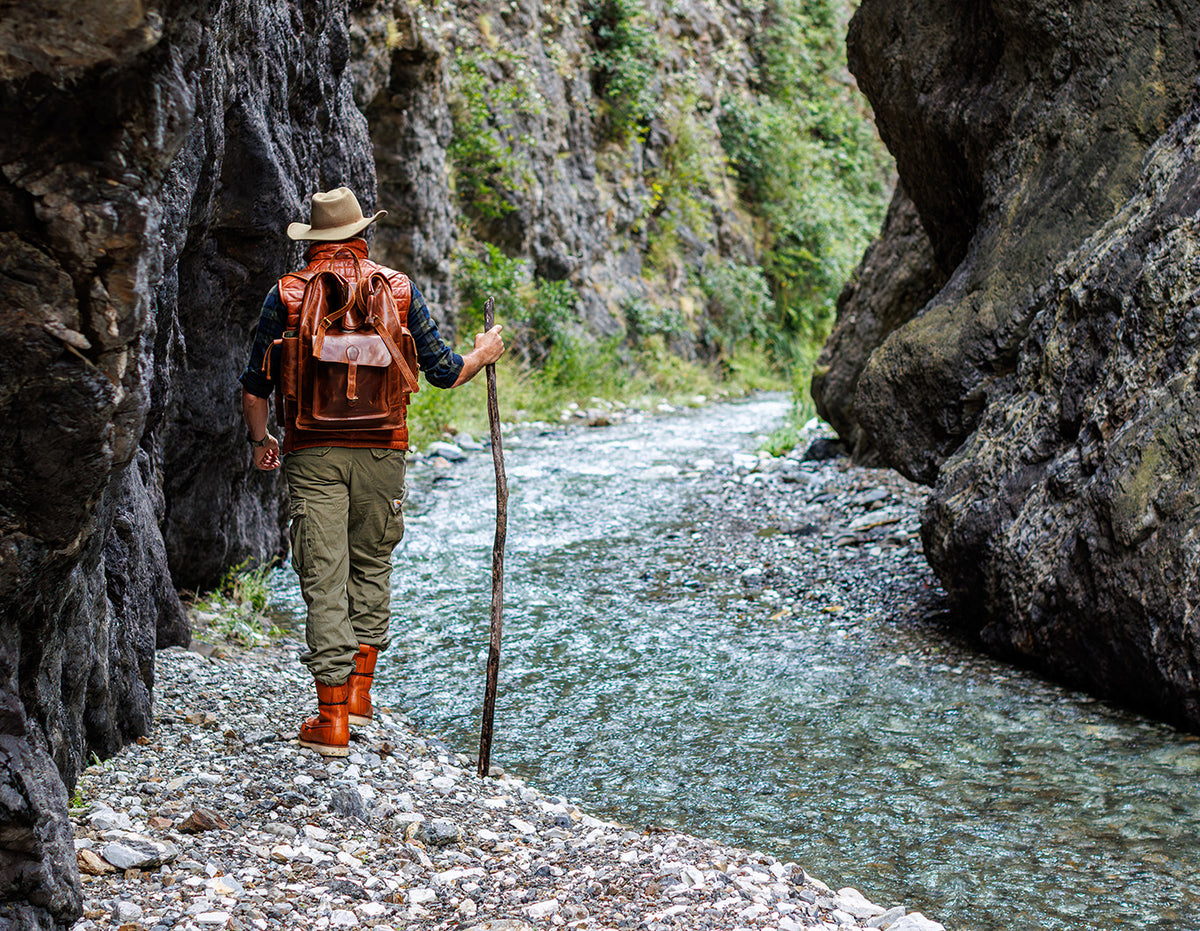
The stones beneath the current were pale limestone, smoothed and stacked by centuries of floods, and the water ran milky in places where the current worked at the bed.
It was cold enough to ache through my boots. I crossed slowly, leaning into my walking staff, choosing each step as if it mattered—because it did.
The river hid its intentions well. What looked knee deep often wasn't. Before every crossing I reached ahead with the walking staff, probing for holes between the pale limestone boulders, searching for a line that offered more certainty than chance.
Sometimes the stick disappeared to its handle and I backed away to try another route. Sometimes the current pushed hard enough against my thighs to remind me that it didn't matter how confident I felt.
The limestone had been polished by countless floods and coated with a thin film of algae. More than once my boots slid sideways without warning. One awkward step drove my right knee hard into a submerged rock.
The sharp crack shot through the joint. Twelve months earlier that same knee had been rebuilt by a surgeon's hands. Standing alone in a cold river, miles from the road, I suddenly became very aware of how quickly a simple walk could become something altogether different.
The valley floor was wide at first. Shingle fans spread out beneath dry bluffs. Above them the hills were scarred with slips, old and new, and the rock showed everywhere through the soil. Nothing here was hidden. The country made no effort to soften itself.
I followed the river upstream, crossing it again and again. Sometimes the water reached my thighs. Sometimes it barely covered the soles of my boots. The river decided these things without discussion.
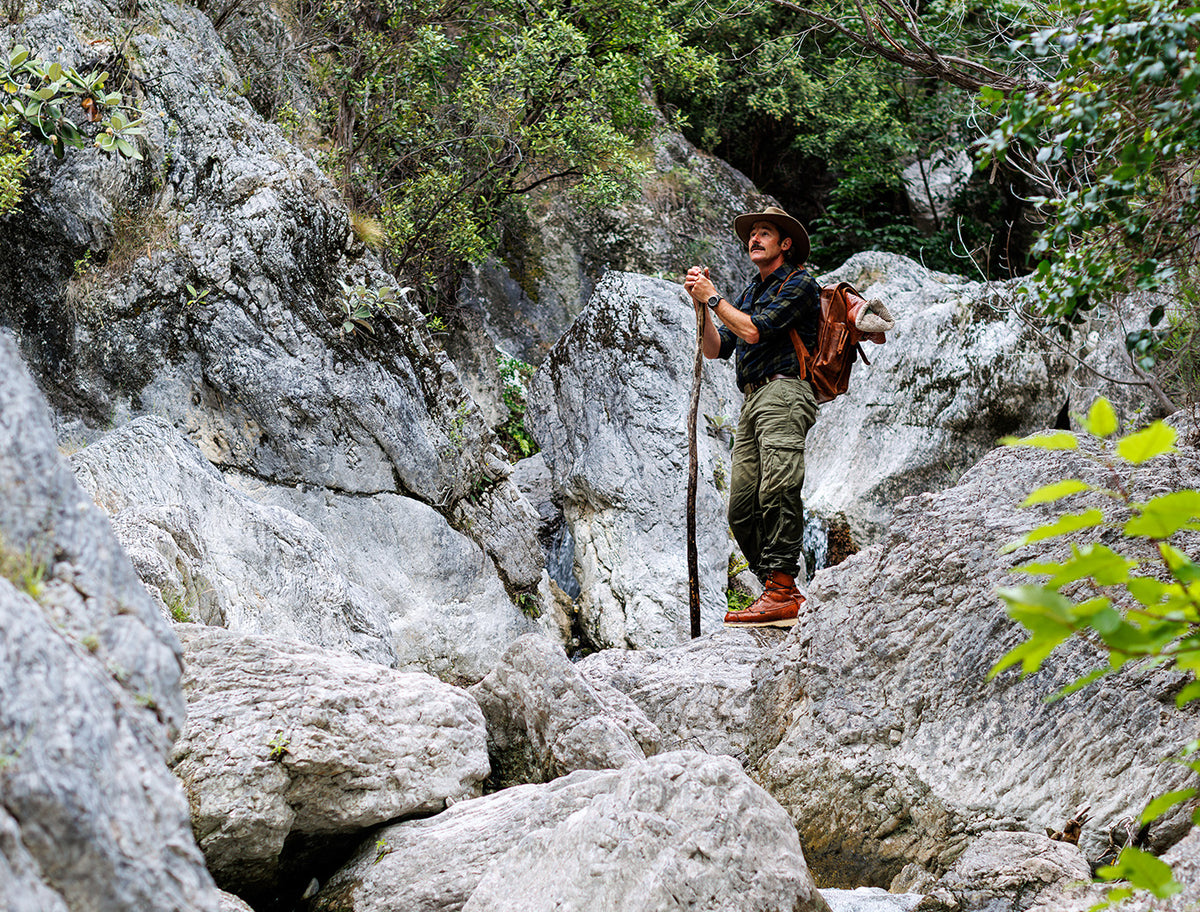
The limestone lay about like bones.
Huge blocks had fallen from the bluffs and rested where they landed. Some were split clean in two, others rounded and worn as though shaped by hand. When I stopped for water, I could see shells embedded in the stone—small white ghosts pressed into the rock from a time when this place had been seabed and darkness lay above it instead of sky.
The geology refused to let me forget where I was. Only a few years earlier an earthquake had shaken this valley, no more than the blink of an eye in geological time. Fresh scars still marked the hillsides. Whole faces of limestone had broken away, leaving raw white wounds amongst the older weathered rock.
Every so often I found myself looking up instead of ahead, wondering what another tremor would feel like inside a valley this narrow. If the earth decided to move again, there would be nowhere worth running.
The gorge did not announce itself.
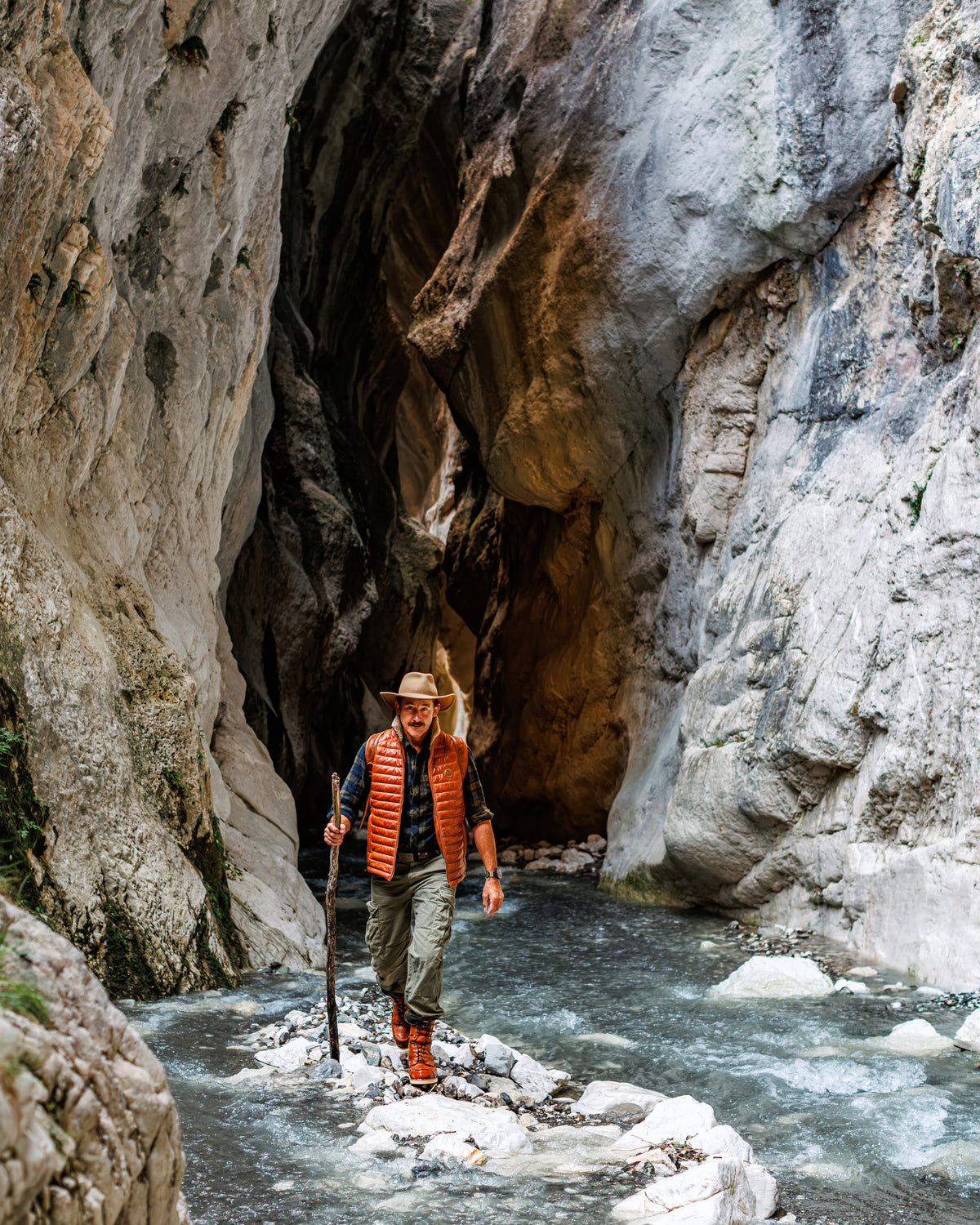
One moment the valley was open and bright. The next it narrowed and the walls leaned inward. Isolation Creek dropped from the hills and vanished into a cleft no wider than my outstretched arms.
This was Sawcut Gorge.
I stood in silence for a long moment, looking upward.
The walls climbed almost vertically, their smooth limestone faces stained by centuries of water. It was impossible not to imagine what this place became during a violent storm. Somewhere high beyond the gorge, rain would begin falling on the surrounding hills. Gullies would fill. Small streams would become torrents. Every litre of water from the catchment would eventually be forced through this narrow cut in the rock.
The gentle stream at my feet would become a roaring wall of white water carrying whole trees and boulders downstream with frightening ease. There would be nowhere to climb, nowhere to escape, nowhere to bargain. Nature would simply reclaim the gorge for a few violent hours before quietly giving it back again.
Standing there, I realised just how small a man really is.

I stood at its mouth and listened. The sound of the river changed there, losing its breadth and becoming sharp and close. The light dimmed though the sun was high. The walls rose straight up, grey-white limestone polished smooth by floods that came roaring down without warning.
Inside, the air was cold.
Water slid over rock and fell in short white drops. Ferns clung where they could. Moss darkened the seams. Far above, a narrow ribbon of sky cut between the walls like a blade.
I moved carefully. A slip here would not forgive. The stone was slick and the gorge held no place for haste. The walls bore marks of violence—scars where whole slabs had torn free during floods or earthquakes, reminding anyone willing to look that this cut in the earth was still being made.
Beyond the gorge the valley opened again.
Sun returned suddenly and warmed my shoulders.
Movement high above caught my eye.
A small mob of wild goats stood on an impossible ledge amongst the limestone and golden tussock, watching me with complete indifference. They belonged to this country.
Their hooves found purchase where I struggled to keep my footing. For a long moment we studied one another before they turned effortlessly and disappeared amongst the rocks as though swallowed by the mountain itself.
I was the visitor here.
They were simply home.
On the limestone faces grew the rock daisies, pale green rosettes flowering straight out of stone. They had no soil worth naming. Their roots ran into cracks invisible from a distance, and they thrived where nothing else would. Native broom twisted nearby, thin-limbed and wiry, shaped by wind and drought.
I saw insects working the margins of the river. Caddis cases clung to submerged stone. Mayflies lifted briefly into the air and vanished again. Where these lived, the water was clean. That knowledge brought comfort.
Above me a hawk drifted without effort, watching the flats below where the country softened again into farmland. Those flats had once belonged to enormous sheep runs. Men had come here with nothing but dogs and wire and ambition, pushing stock into valleys that had no interest in them. The land remembered that time. It still bore the lines—old tracks etched into hillsides, terraces where camps once stood.
Before those men there had been others who moved with the seasons instead of against them, following rivers for food and shelter. No signs remained now except the sense that this valley had always been used, never owned.
The water, so pure and fresh, rules this land. Finding a bubbling cascade downstream of a decent waterfall, I crouched to slake my growing thirst. The water tasted like it should. No chemicals. No trace of civilisation. This is a wild place.

There was a strange freedom in knowing that everything I needed was already around me. Cold water. Fresh air. Solid ground beneath my boots—most of the time. Food in my pack. A walking stick in my hand. The problems became wonderfully simple. Find the next crossing. Stay upright. Read the weather. Keep moving.
Modern life convinces us that we are in control. Out here that illusion disappears quickly. The river decides where you cross. The weather decides whether you continue. The mountains owe you nothing.
Oddly enough, that isn't frightening.
It's liberating.
For a few precious hours I wasn't a business owner, a husband, a father or a man with a calendar full of obligations. I was simply another creature moving through a wild valley, subject to the same rules as every goat, hawk and trout that called this place home.
Perhaps this is the man I was always meant to be.
The river reminded me of that.
 In flood it would rise without mercy. Limestone boulders the size of trucks lay scattered far above the current level, carried there by water that came roaring out of the hills after rain or snowmelt. I had seen rivers like this before. Gentle until they were not.
Further up the catchment stood a hut - Isolation Hut - simple timber, tin roof, built for men who understood weather and distance. There was no track to it. You followed riverbeds and judgement. After earthquakes the country had shifted again, cliffs loosening, slips hanging unstable. The hut remained, but the land around it no longer promised safe passage.
Although the hut offered refuge I was in no need, turning back while the day was still young.
On the return walk the river crossings felt different. Not easier, but familiar. My legs moved without thought. The limestone underfoot no longer surprised me. When I reached the gorge again the shadows had lengthened and the walls held the cold more tightly.
I paused once more at the narrowest point.
The water ran white between the stone and disappeared downstream toward the sea. Above me the cut rose clean and hard, unchanged by admiration or fear.
I did not stay long.

Places like this do not ask to be lingered in. They ask only that you pass through honestly and leave them as you found them.
When I reached the gravel road again the wind returned and the smell of salt came back on my clothes.
Behind me the river kept working at the stone.
It had been doing so long before men arrived.
It would be doing so long after they were gone.




Leave a comment
This site is protected by hCaptcha and the hCaptcha Privacy Policy and Terms of Service apply.